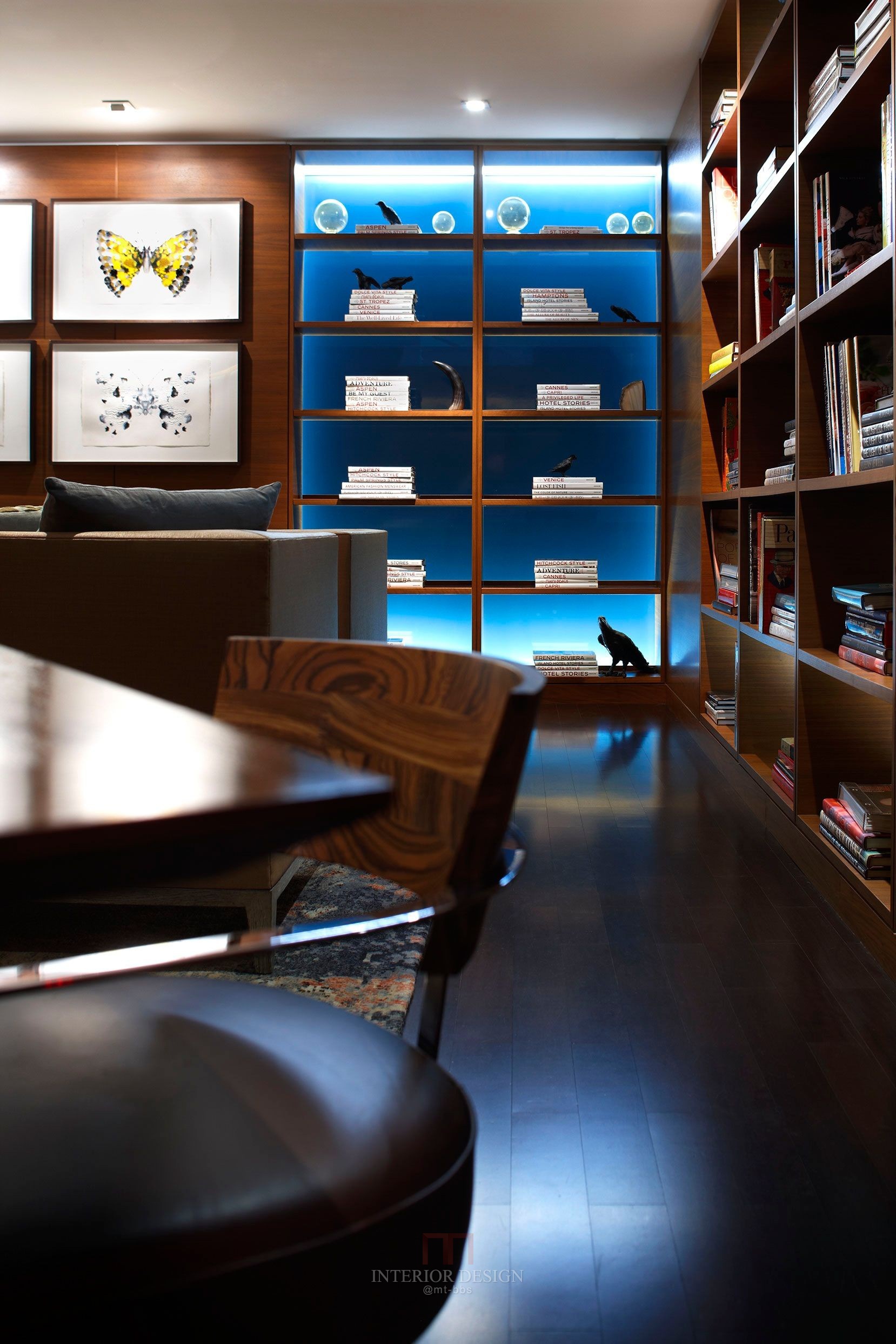
Kuala Lumpur Restaurant Interior Design — When Dining Becomes an Experience, Not Just a Meal
Why the Best Restaurants in KL Are Designed for Memory, Not Decoration
In Kuala Lumpur, food is not just food.
It is cerita, budaya, ritual sosial, dan gaya hidup. Restaurant Interior Design Kuala Lumpur
From late-night mamak culture to Michelin-listed dining in Bangsar, KLCC, and Damansara Heights, diners today are not only asking “Is the food good?” They are asking, “How did this place make me feel?”
This is where Kuala Lumpur Restaurant Interior Design moves beyond decoration—and becomes experience design.
Sebagai pereka dalaman restoran, saya percaya satu perkara: orang mungkin lupa apa yang mereka makan, tetapi mereka tidak akan lupa bagaimana sesuatu tempat membuat mereka rasa.
Restaurants Are No Longer Designed to Look Good — They Are Designed to Feel Right
In today’s competitive F&B landscape, especially in Kuala Lumpur:
-
Rent is high
-
Competition is intense
-
Diners are experience-driven
-
Social media amplifies every detail
Sebuah restoran yang cantik tetapi tidak selesa, tidak lancar, atau tidak menyokong operasi akan gagal—walaupun makanannya hebat.
Experience-led restaurant design answers one key question:
“Bagaimana perjalanan tetamu dari pintu masuk hingga mereka pulang?”
Step 1: Spatial Planning — Designing the Journey, Not Just the Room
How Guests Move Shapes How They Feel
In well-designed restaurants, nothing is accidental:
-
Arrival and first impression
-
Waiting experience
-
Seating transition
-
Server circulation
-
Visual connection to kitchen or bar
Di kawasan seperti Bukit Bintang dan TRX, di mana restoran sering berada dalam lot sempit atau ruang bertingkat, perancangan spatial menjadi kritikal.
Good Kuala Lumpur Restaurant Interior Design ensures:
-
Clear yet welcoming entry
-
Comfortable waiting without congestion
-
Smooth flow for staff and guests
-
No visual chaos
When flow works, stress disappears—and enjoyment begins.
Step 2: Atmosphere Is Designed, Not Decorated
Lighting, Acoustics & Materials Shape Emotion
Atmosphere is multi-sensory:
-
Lighting sets mood and pace
-
Acoustics control intimacy
-
Materials communicate quality and warmth
Di Malaysia, dengan iklim tropika dan kelembapan tinggi, pemilihan material bukan sekadar estetika—ia soal keselesaan dan ketahanan.
Soft lighting for evening dining, acoustic absorption for noisy peak hours, and tactile finishes that feel “human” are all intentional decisions.
A restaurant should feel:
-
Lively, not loud
-
Intimate, not cramped
-
Premium, not cold
Step 3: Sensory Design — The Invisible Experience Layer
What Guests Feel Before They Even Realise It
Great restaurants engage the senses subtly:
-
Warm lighting temperature
-
Balanced background music
-
Controlled kitchen aromas
-
Comfortable seating ergonomics
Ramai pemilik restoran terkejut apabila mengetahui bahawa akustik dan bau mempengaruhi tempoh pelanggan duduk dan sama ada mereka kembali.
Experience-led design uses sensory cues to:
-
Encourage longer dwell time
-
Support conversation
-
Create emotional comfort
This is how dining becomes an experience, not just consumption.
Step 4: Brand Storytelling Through Space
Your Concept Must Be Felt, Not Explained
A strong restaurant brand does not rely on wall graphics alone.
Cerita jenama harus dirasai melalui:
-
Spatial rhythm
-
Material language
-
Furniture choices
-
Lighting hierarchy
Whether it’s a modern Malaysian concept in Bangsar or a contemporary Asian dining space in KLCC, the interior must tell the story without words.
This is a core principle of meaningful Kuala Lumpur Restaurant Interior Design.
Step 5: Operational Efficiency — The Silent Success Factor
Experience Fails When Operations Struggle
One of the most common mistakes in restaurant projects is ignoring operations.
Design must support:
-
Kitchen workflow
-
Service speed
-
Staff comfort
-
Cleaning and maintenance
Jika dapur terlalu kecil, laluan staf bersilang, atau stor tidak mencukupi—pengalaman pelanggan akan terjejas, walaupun ruang kelihatan cantik.
Experience-driven design balances front-of-house emotion with back-of-house efficiency.
Step 6: Local Dining Culture Shapes Design Decisions
Understanding How Kuala Lumpur Dines
KL diners are:
-
Social and communal
-
Time-flexible (long dinners, late nights)
-
Experience-aware
-
Value-conscious yet aspirational
This means restaurants must accommodate:
-
Group dining
-
Shareable seating
-
Flexible table layouts
-
Instagram moments without gimmicks
Reka bentuk yang berjaya ialah reka bentuk yang memahami tabiat tempatan, bukan sekadar trend antarabangsa.
Why End-to-End Design & Build Matters in F&B
Restaurant projects fail when:
-
Concept and execution are disconnected
-
Design intent is diluted during construction
-
Budget overruns compromise experience
Our firm delivers end-to-end hospitality solutions, from:
-
F&B concept strategy
-
Interior design development
-
Technical coordination
-
Fit-out and turnkey delivery
Pendekatan bersepadu ini memastikan pengalaman yang dirancang benar-benar direalisasikan.
Experience Is the New Competitive Advantage
In Kuala Lumpur’s saturated F&B market, food alone is not enough.
Restaurants that succeed:
-
Create emotional connection
-
Offer comfort and memory
-
Feel authentic and effortless
That is the power of experience-led Kuala Lumpur Restaurant Interior Design.
Our Firm: Designing Restaurants People Remember
Our firm partners with restaurateurs, hospitality groups, and developers to design restaurants that work emotionally, operationally, and commercially.
We believe dining spaces should:
-
Support the brand story
-
Respect local culture
-
Delight the senses
-
Perform sustainably over time
That is how dining truly becomes an experience.
Connect with us in


