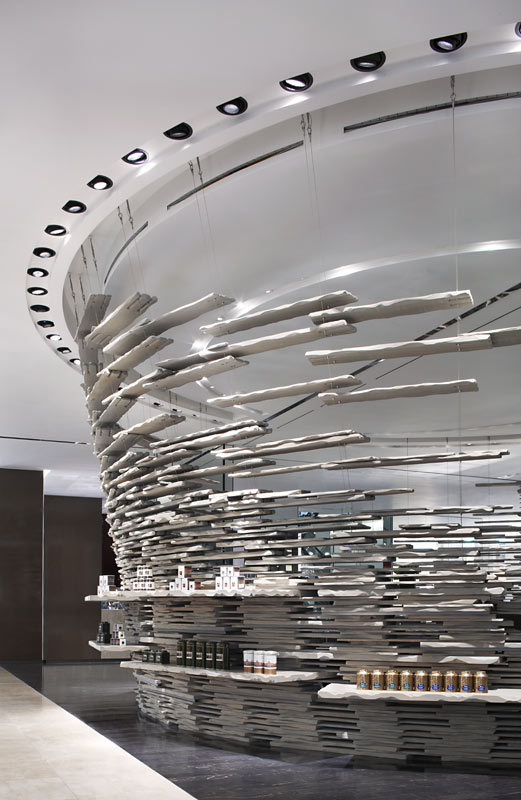
Interior Design Kuala Lumpur: Crafting Multi-Sector Spaces That Perform and Inspire
Kuala Lumpur is a city in constant motion—where business, culture, and lifestyle intersect in a vibrant urban tapestry. From the corporate towers of KLCC and TRX (Tun Razak Exchange) to the lifestyle-driven retail hubs of Bukit Bintang and the growing mixed-use developments in Bangsar and Mont Kiara, the city reflects a dynamic shift toward integrated, experience-driven environments.Interior Design Kuala Lumpur
In this evolving landscape, interior Design Kuala Lumpur is no longer confined to a single sector. It must respond fluidly to workplace transformation, hospitality growth, and retail reinvention—creating spaces that are not only visually compelling but also strategically designed to perform. As designers, we often say, “Ruang yang baik bukan sekadar cantik, tetapi bermakna”—a good space is not only beautiful, but meaningful.
Understanding Kuala Lumpur’s Commercial Landscape
A City of Growth & Mixed-Use Evolution
Kuala Lumpur continues to attract global investment, with large-scale developments blending offices, hotels, retail, and leisure into cohesive ecosystems. These environments demand design solutions that are adaptable, integrated, and future-ready.
Workplace Transformation
The rise of hybrid work has reshaped office expectations. Companies in areas like KL Sentral and Damansara Heights are prioritizing flexibility, collaboration, and employee wellbeing, moving away from rigid layouts toward people-centric environments.
Hospitality & Tourism Expansion
KL remains a key destination for both business and leisure travelers, driving demand for hotels that offer memorable, culturally rich experiences. Hospitality spaces must stand out in a competitive market by delivering emotional engagement and operational excellence.
Retail & Lifestyle Ecosystems
Retail in Kuala Lumpur is deeply experiential. Malls like Pavilion KL and Mid Valley Megamall are not just shopping destinations—they are social hubs. Consumers seek immersive environments where shopping, dining, and leisure converge.
The Power of Multi-Sector Interior Design
Designing across workplace, hospitality, and retail sectors requires strategic adaptability. Each environment serves different users, behaviors, and business objectives—yet all must deliver impactful experiences.
Workplace: Designing for People & Performance
Workplace design focuses on productivity, collaboration, and wellbeing. Through strategies like:
- Activity-Based Working (ABW)
- Flexible zoning and modular layouts
- Social hubs and collaborative spaces
we create offices that encourage connection and innovation, aligning with modern work culture in Kuala Lumpur.
Hospitality: Crafting Memorable Guest Experiences
In hospitality, design shifts toward emotion and storytelling. Hotels and leisure spaces must:
- Create a strong arrival and lobby experience
- Offer seamless guest journeys
- Integrate brand identity into every touchpoint
The goal is to design environments that guests remember long after their stay—pengalaman yang tak terlupakan.
Retail: Driving Engagement & Conversion
Retail design is about capturing attention and guiding behavior. Through:
- Strategic spatial planning
- Visual merchandising
- Experiential layouts
we create spaces that not only attract customers but also encourage interaction and purchase.
Cross-Pollination: Where Innovation Happens
One of the greatest strengths of a multi-sector design approach is the ability to transfer ideas across industries.
- Applying hospitality warmth to workplace environments creates more welcoming offices
- Using retail storytelling enhances brand expression in commercial spaces
- Integrating workplace efficiency improves operational flow in hotels and retail
This cross-pollination results in spaces that feel layered, dynamic, and deeply engaging—a hallmark of interior Design Kuala Lumpur at its best.
The Design Process: From Strategy to Execution
At our firm, every project begins with a deep understanding of client goals, user behavior, and spatial potential.
1. Concept Development & Strategic Planning
We define a clear vision that aligns brand identity, user needs, and business objectives.
2. Spatial Design & Flow Optimization
Careful planning ensures intuitive circulation, efficient zoning, and seamless transitions between spaces.
3. Material Curation & Sensory Design
Materials are selected not only for aesthetics but for durability, texture, and emotional impact.
4. Visualization & Technical Documentation
Advanced 3D visualization helps clients experience the design before execution, while detailed documentation ensures precision.
5. Construction Coordination & Delivery
From fitout to final styling, we oversee every stage to ensure the design is realized with accuracy and quality.
Designing for Experience: Key Elements
Across all sectors, certain design principles remain essential:
Spatial Flow & Zoning
Well-planned layouts guide movement and enhance usability, ensuring spaces feel intuitive and comfortable.
Lighting Strategy
Layered lighting creates atmosphere, highlights features, and supports functionality across different environments.
Acoustic Comfort
Sound management is crucial, especially in open offices, busy retail spaces, and hospitality settings.
Ergonomics & Human-Centric Design
Comfort and usability are at the core of every design decision, supporting both physical and emotional wellbeing.
Technology Integration
Smart systems, digital interfaces, and flexible infrastructure ensure spaces remain future-ready.
Localization: Designing for Kuala Lumpur
While global standards guide quality, successful design must reflect local identity. In Kuala Lumpur, this means:
- Responding to the tropical climate with ventilation and shading strategies
- Incorporating local materials and textures
- Reflecting the city’s multicultural character through subtle cultural cues
This balance creates spaces that feel both authentic and internationally relevant—rasa tempatan dengan sentuhan global.
Design That Drives Business Outcomes
Strategic interior design delivers measurable value across sectors:
- Improved employee productivity and satisfaction in workplaces
- Stronger brand recognition and guest loyalty in hospitality
- Increased customer engagement and sales performance in retail
Ultimately, design becomes a business tool, shaping how people experience and interact with a space.
Our Firm: A Multi-Sector Design Partner
At our firm, we specialize in delivering integrated interior design solutions across workplace, hospitality, and retail sectors. Our approach combines creative vision with technical expertise, ensuring every project is both inspiring and high-performing.
Through interior Design Kuala Lumpur, we create environments that respond to the city’s evolving landscape—spaces that connect people, reflect culture, and support long-term success.
Conclusion: Designing Spaces That Shape the Future
Kuala Lumpur is a city of opportunity, where design plays a crucial role in shaping how people live, work, and interact. By embracing a multi-sector approach, interior Design Kuala Lumpur transforms commercial environments into holistic, experience-driven spaces that perform across every level.
With the right design partner, your space becomes more than just a place—it becomes a destination, a brand statement, and a platform for growth.
Connect with us in


