For operators considering terraces, courtyards or shaded dining, the priority is semi-outdoor dining and climate with a clear brief, workable details and an agreed review process. Start with the actual site and users, then confirm deliverables before committing to execution.
For operators considering terraces, courtyards or shaded dining, the priority is semi-outdoor dining and climate with a clear brief, workable details and an agreed review process. Start with the actual site and users, then confirm deliverables before committing to execution. This guide discusses semi-outdoor dining and climate in the context of Kuala Lumpur, including what the client should prepare, which decisions need collaboration and how to assess the outcome before approving the next stage.
Start with the real project brief
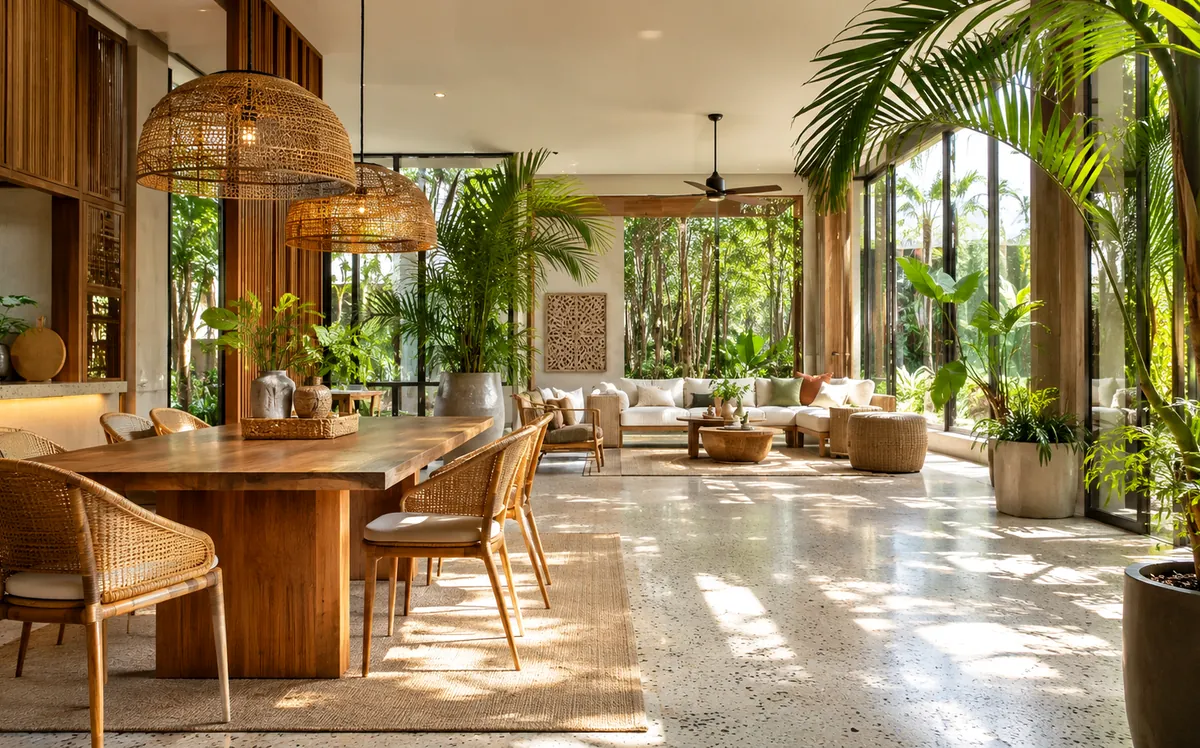
A tropical restaurant terrace can be a compelling brand feature, but it needs more than attractive planting. Kuala Lumpur’s rain, humidity and sun exposure affect seating, service and upkeep. Semi-outdoor spaces should be designed for how they perform on a difficult day, not just in a perfect photograph.
What to evaluate before choosing a direction
Assess rain direction, drainage, shade and safe routes between dining and service areas. Choose seating that can tolerate the actual exposure, and provide a clear plan for heavy weather. A canopy or planting layer should not obstruct maintenance or necessary circulation.
Practical design decisions for Kuala Lumpur
Consider insects, ventilation and acoustic spill to neighbours. The comfort of a garden-facing dining area depends on airflow, heat and the ability to keep tables clean. Coordinate any mechanical or electrical equipment with suitable specialists and relevant property requirements.
How to coordinate the work
Make transitions intuitive. Guests carrying umbrellas or moving from indoor cooling to humid outdoor air need dry, slip-conscious paths and logical seating. Staff should have a manageable route for delivering food and clearing dishes in rain.
Risks worth resolving early
The most common mistake is choosing indoor-only materials for exposed areas. Review corrosion, moisture, ultraviolet exposure, cleaning and replacement availability before finalising exterior furniture and finishes.
What to request before moving forward
Use the following items as a starting point for a project-specific review; add authority, operator and specialist requirements where appropriate.
- Weather exposure review
- terrace circulation plan
- drainage and shade strategy
- outdoor FF&E selection and maintenance routine.
Frequently asked questions
Can indoor chairs be used on a sheltered terrace?
Only if the manufacturer’s specification and the actual exposure support it. Shelter does not necessarily eliminate humidity, sunlight or wind-driven rain.
What should a rain plan include?
Protected routes, drainage checks, furniture management, staff procedures and clear communication with guests when certain tables cannot be used.
The next practical step
For operators considering terraces, courtyards or shaded dining, a useful next step is to turn this guidance into a short written brief. Share existing drawings and photographs, explain the users and operating goals, and ask the design team to identify unknowns before a fee or construction commitment is treated as final. A credible proposal should show what will be delivered, who approves it and how the project will be checked.
Related search intent: restaurant interior design company in kuala lumpur. This guide is intended to inform the brief and does not replace qualified technical or regulatory advice.