For residential and hospitality owners reviewing lighting plans, the priority is lighting hierarchy and glare with a clear brief, workable details and an agreed review process. Start with the actual site and users, then confirm deliverables before committing to execution.
For residential and hospitality owners reviewing lighting plans, the priority is lighting hierarchy and glare with a clear brief, workable details and an agreed review process. Start with the actual site and users, then confirm deliverables before committing to execution. This guide discusses lighting hierarchy and glare in the context of Kuala Lumpur, including what the client should prepare, which decisions need collaboration and how to assess the outcome before approving the next stage.
Start with the real project brief
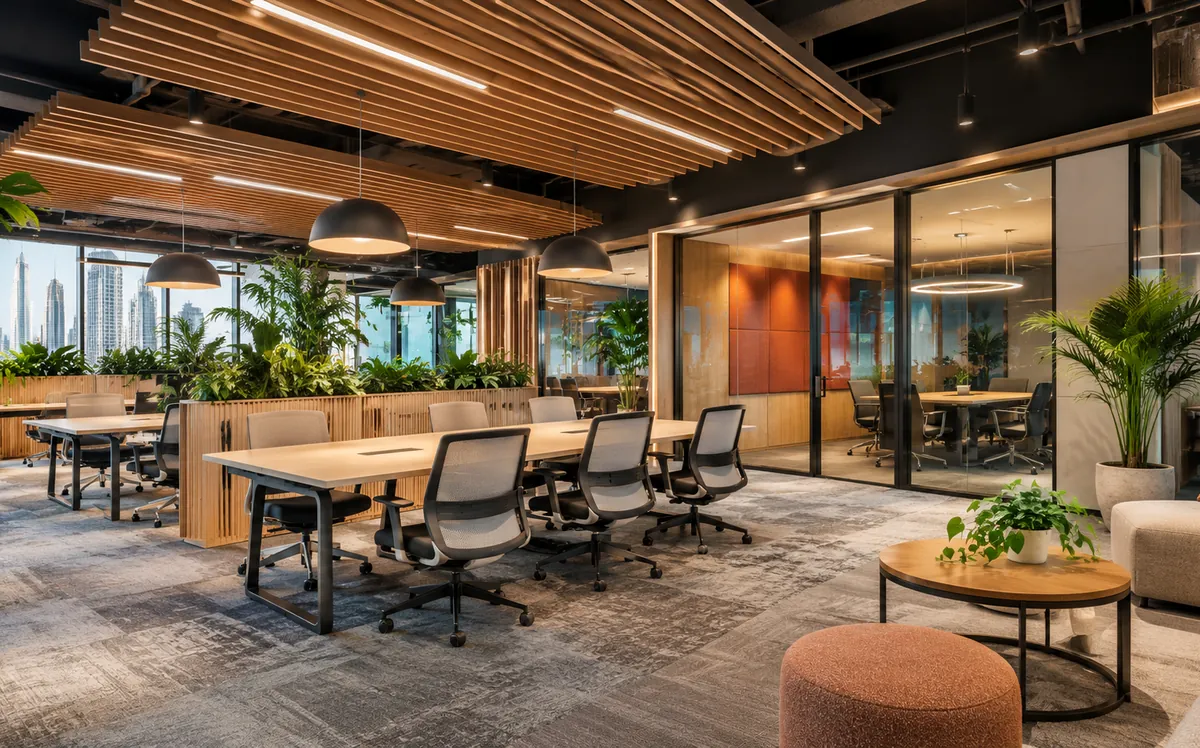
Beautiful lighting is not the same as effective lighting. A good Kuala Lumpur interior balances changing daylight with task needs, privacy and atmosphere. Plan light as a system that supports reading, food preparation, conversations and circulation, not as a collection of decorative fixtures.
What to evaluate before choosing a direction
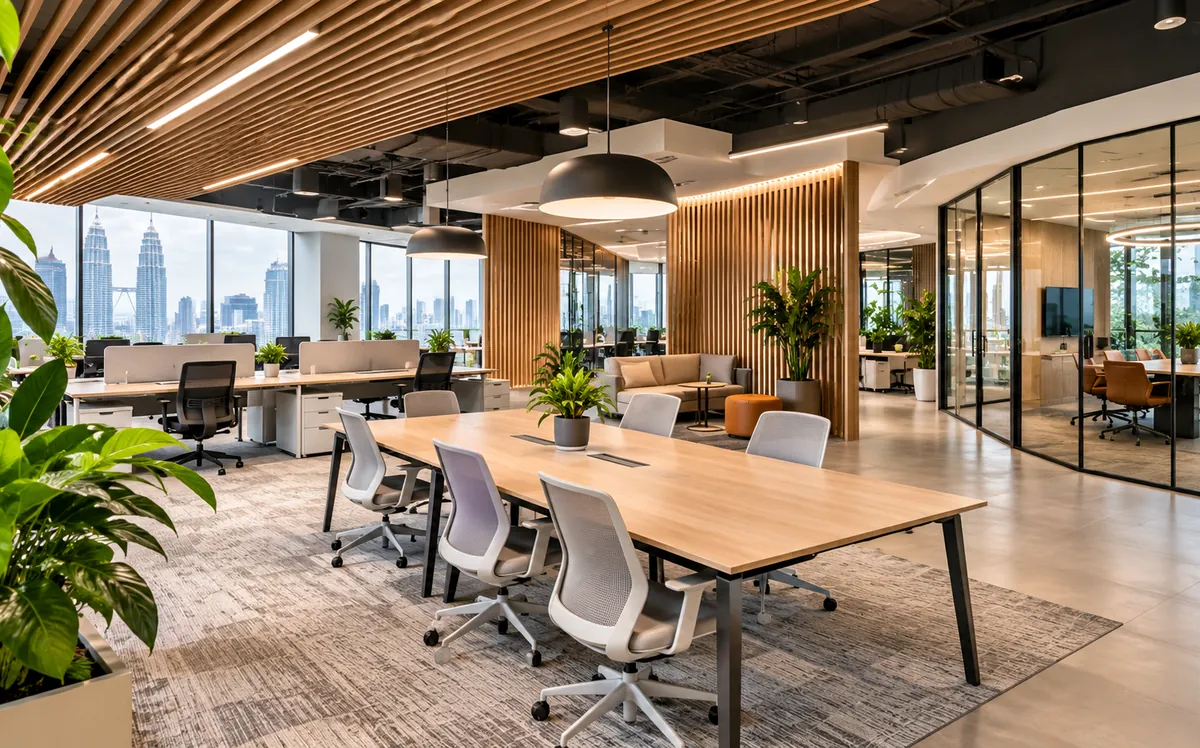
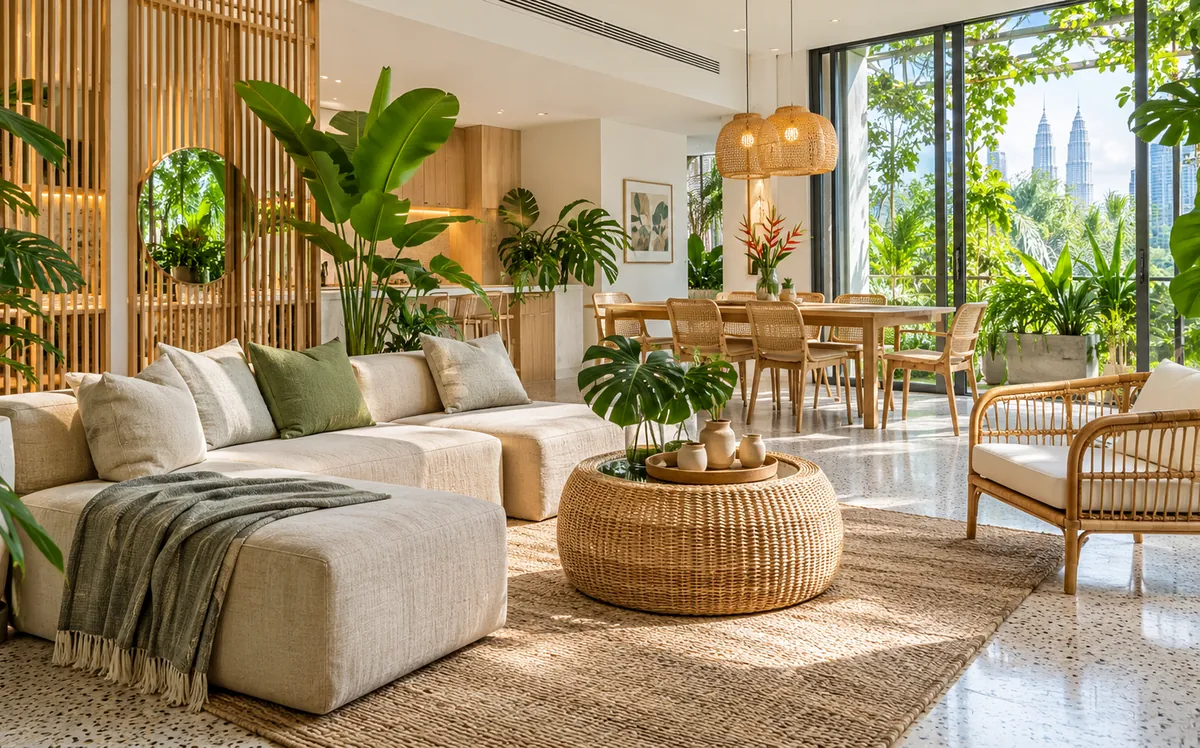
Assess windows, glare and reflective surfaces first. A scenic high-rise view can coexist with uncomfortable screen reflections or harsh afternoon light. Adjustable blinds and carefully placed work areas may solve more problems than increasing the number of downlights.
Practical design decisions for Kuala Lumpur
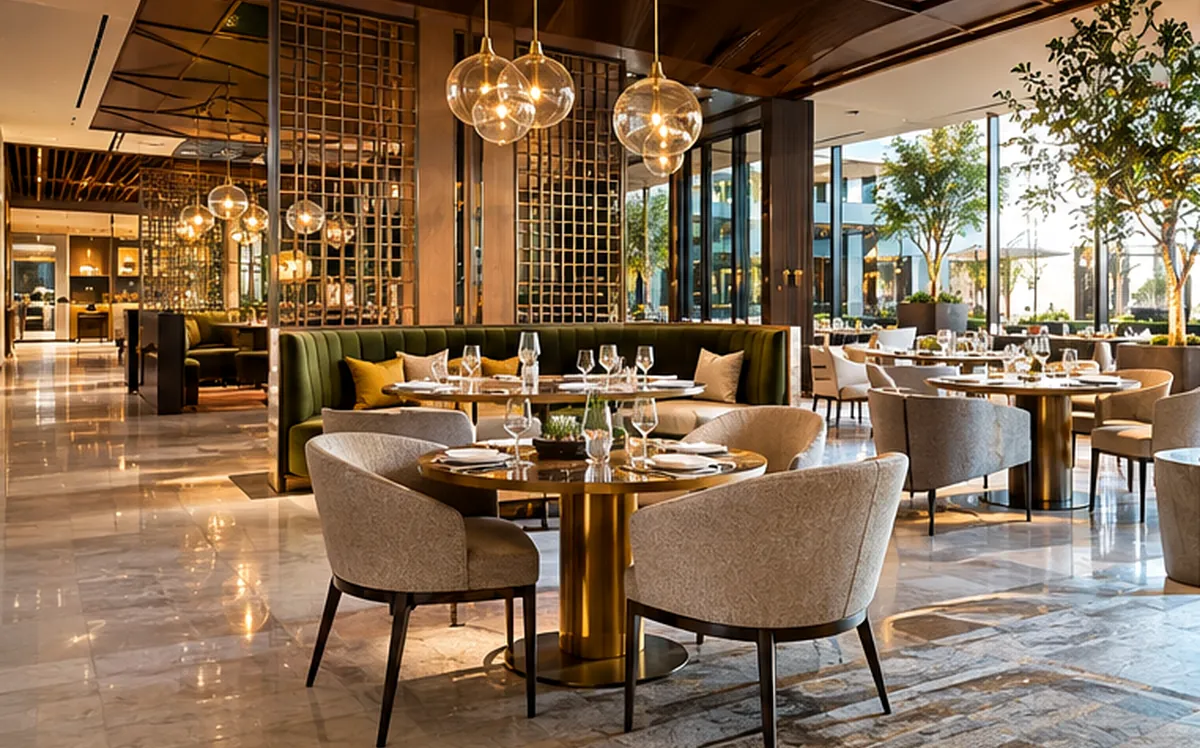
Layer ambient, task and accent light. Kitchens and offices need reliable functional illumination; lounges and guest rooms benefit from warm, controllable scenes; corridors and stairways need safe, legible routes. Keep switches and controls intuitive for first-time visitors.
How to coordinate the work
Coordinate ceiling details with air-conditioning diffusers, detectors, sprinklers and access panels. Fixture locations should be resolved on coordinated drawings to prevent late site conflicts. Consider energy efficiency, replacement access and likely maintenance responsibilities.
Risks worth resolving early
An elaborate lighting-control system is only useful if occupants understand it. Test the key scenes with real users and provide simple labels or guidance instead of relying on an intimidating wall of unmarked switches.
What to request before moving forward
Use the following items as a starting point for a project-specific review; add authority, operator and specialist requirements where appropriate.
- Lighting intent plan
- fixture schedule
- control scenes
- reflected ceiling coordination and commissioning checklist.
Frequently asked questions
What is layered lighting?
A combination of ambient, task and accent lighting that lets a room support different activities and times of day.
Should I use warm light everywhere?
Not necessarily. Select colour temperature, brightness and colour quality by task, material and desired experience, then test in the actual space.
The next practical step
For residential and hospitality owners reviewing lighting plans, a useful next step is to turn this guidance into a short written brief. Share existing drawings and photographs, explain the users and operating goals, and ask the design team to identify unknowns before a fee or construction commitment is treated as final. A credible proposal should show what will be delivered, who approves it and how the project will be checked.
Related search intent: interior design in kuala lumpur. This guide is intended to inform the brief and does not replace qualified technical or regulatory advice.