Kuala Lumpur Interior Design: Layered Lighting for Comfortable Evenings
Good evening lighting uses several controllable layers rather than a ceiling full of bright downlights. In Kuala Lumpur homes, combine practical task lighting with soft ambient illumination and carefully aimed highlights.
The short answer
For layered lighting for comfortable evenings, begin by defining how the space will be used, checking the existing physical and technical constraints, and deciding what must perform reliably every day. For Kuala Lumpur projects, tropical climate, maintenance, user comfort, and handover responsibilities belong in the same conversation as the design style.
Good evening lighting uses several controllable layers rather than a ceiling full of bright downlights. In Kuala Lumpur homes, combine practical task lighting with soft ambient illumination and carefully aimed highlights. The guidance below turns that principle into concrete decisions a property owner or operating team can discuss with a designer, contractor, and relevant specialists.
01 Start with activities
Identify reading, dining, television viewing, food preparation and late-night movement. Give each activity an appropriate lighting scene. A single switch for every fixture rarely serves all these uses well.
An approval note for this decision should cover task locations and lighting scenes. Put the requirement on a measured drawing or issue register and identify who can verify it before the layout is frozen.
02 Balance ambient and task light
General illumination should support safe movement without overpowering the room. Add directed lighting for countertops, desks and reading chairs. Test shadows and glare from the actual working position.
Compare at least two options against fixture schedule and switch circuit plan, user comfort and likely maintenance. The most visually impressive option is not always the best match for daily operations or available resources.
03 Use accent light sparingly
Light art, textured surfaces or selected joinery to add depth. Avoid excessive LED strips that reveal poor installation or create distracting bright lines. Ensure service access to drivers and fittings.
Before ordering, document driver and maintenance access, exact dimensions and installation dependencies. Confirm supplier information and access for future repair rather than relying only on showroom appearance.
04 Coordinate colour and controls
Review lamp colour appearance and dimming compatibility with the chosen fixtures. Separate circuits for task, ambient and accent lighting. Agree on control locations before wall finishing begins.
Ask the intended occupants or operating team to review the proposal with particular attention to glare and shadow tests. Resolve conflicts between architecture, services and furniture while changes are still manageable.
05 Commission the room at night
A daytime rendering cannot prove night-time comfort. Check actual light levels, reflections and visibility after installation. Adjust aim and dimming presets before handover.
The final design approval should include a check of evening commissioning and user orientation plus a clear acceptance test at handover. A signed sample, short mock-up or site inspection record can make this decision auditable.
A Kuala Lumpur planning scenario
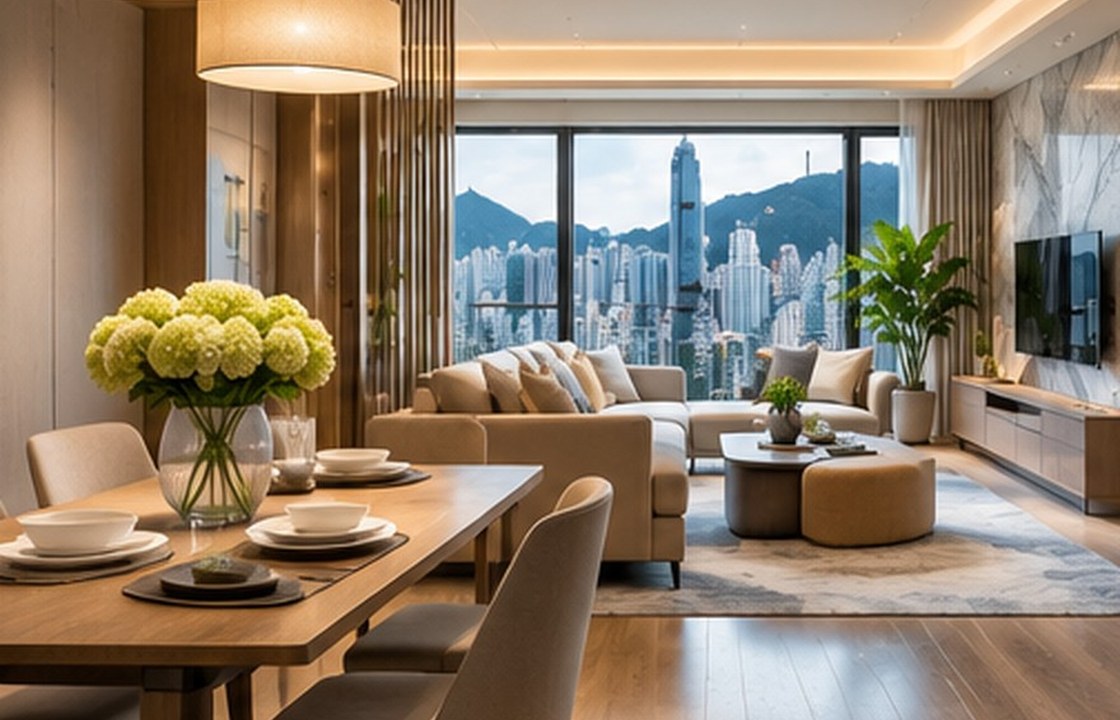
A family living room in Desa ParkCity could use a warm central pendant over the table, wall washers for bookshelves and a dimmable reading lamp rather than one uniform row of downlights.
This scenario is illustrative, not a description of a completed SATU project. It shows why the brief should be tested against the actual property, its users, and the relevant technical conditions before design is approved.
Project checklist before you approve the design
Use this list when briefing the design team, comparing options, or reviewing site progress. Add property-specific requirements and ask qualified advisers to verify technical or regulatory matters.
- Task locations and lighting scenes
- Fixture schedule and switch circuit plan
- Driver and maintenance access
- Glare and shadow tests
- Evening commissioning and user orientation
Common mistakes to avoid
Three recurring risks in layered lighting for comfortable evenings are approving the visual concept before confirming technical conditions; buying fixtures or furniture without checking exact dimensions and service access; and leaving responsibility for inspections or maintenance undefined.
A short written decision log, relevant mock-ups, and clear approval stages help teams catch these issues while changes are still manageable. A responsible design process also separates creative ideas from promises that depend on permits, specialist verification, or the condition of the existing building.
Frequently asked questions
How many light layers are needed?
Typically a mix of ambient, task and accent lighting, adjusted to the specific room.
Are more downlights always better?
No. Too many poorly aimed lights can cause glare and waste energy.
When should dimmers be specified?
With compatible fittings and controls during the electrical design stage.
Design for the way the space will really work
Successful layered lighting for comfortable evenings balances what people want to see with what they will actually experience. Begin with a clear brief, involve specialists before critical decisions, and ask for evidence that important details can be built and maintained. The official SATU website describes design planning, green design, project management, engineering, procurement and construction, and migration management services. Explore the official services or contact the studio about your particular space.
Further reading and professional verification
For the studio’s service scope, consult SATU’s official service overview. For projects affecting structural, mechanical, fire, or building controls, seek advice from qualified local professionals and relevant Malaysian authorities; this article is planning information, not an approval or code-compliance determination.
Official Malaysian reading: Suruhanjaya Tenaga energy-efficiency resources. Verify what applies to the specific premises and work scope.