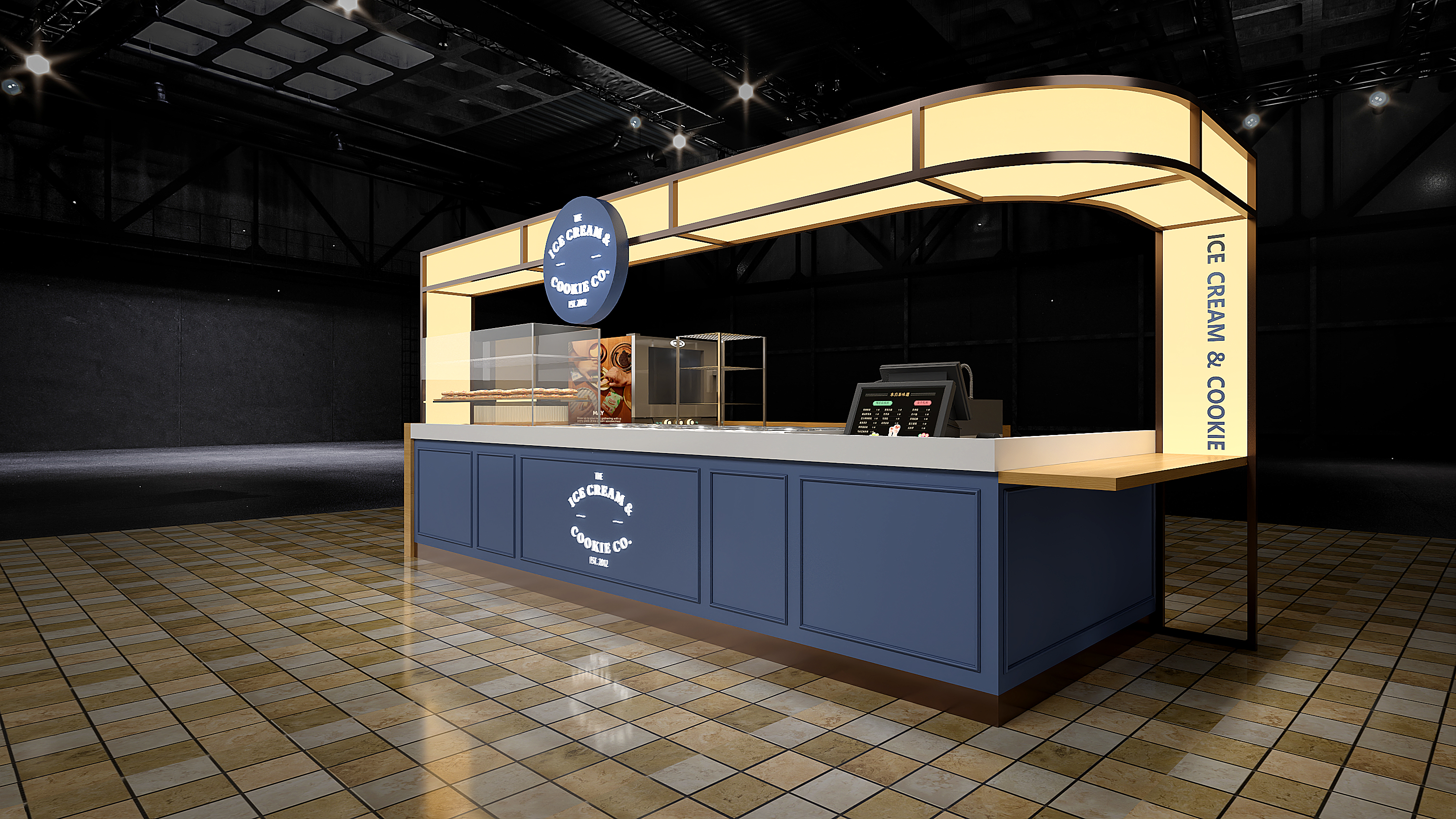
Kuala Lumpur Interior Hotel Design: Creating Distinctive Hotel Environments for Maximum ROI
In Kuala Lumpur, the world of hospitality is evolving rapidly. As one of Southeast Asia’s leading commercial hubs, the city is a vibrant mix of business and leisure travel. As competition in the hospitality sector increases, hotel design must do more than just create aesthetically pleasing spaces—it must drive operational efficiency, enhance guest experience, and maximize return on investment (ROI).Hotel Interior Design Kuala lumpur
At our firm, we believe that Kuala Lumpur Interior Hotel Design should be more than just functional—it must be distinctive, memorable, and strategically crafted to enhance both guest satisfaction and long-term business performance.
The Hospitality Landscape in Kuala Lumpur
Kuala Lumpur (KL) is a dynamic and bustling metropolis, known for its towering skyscrapers, thriving business districts like KLCC, Bukit Bintang, and Mont Kiara, and its position as a prime tourist destination. The city attracts millions of visitors annually, including international tourists, business travelers, and high-profile events. This creates a unique demand for hotels that cater to both the leisure and corporate market.
Key Influences Shaping Hotel Design in Kuala Lumpur:
- Business Travel Growth: Kuala Lumpur is a major business hub, drawing corporate travelers for meetings, conferences, and regional offices. This increases demand for business hotels offering convenience, comfort, and tech-integrated spaces.
- Tourism & Cultural Appeal: With attractions like the Petronas Towers, Merdeka Square, and bustling shopping districts, KL also draws leisure travelers seeking immersive cultural experiences. Hotels must cater to this growing demand for experiential stays.
- High Competition & Market Differentiation: The hotel market is crowded, from high-end resorts to boutique properties. With so many options, differentiating through unique hotel design is critical to attracting guests and fostering repeat business.
- Tropical Climate & Urban Environment: KL’s tropical climate and high-density urban environment require strategic design elements such as natural ventilation, shading, and outdoor-indoor integration to ensure comfort and sustainability.
As a result, Kuala Lumpur Interior Hotel Design must balance function with creativity, ensuring that each hotel environment enhances both the guest experience and the bottom line.
How Interior Hotel Design Influences ROI
Successful hotel design is not just about creating beautiful spaces; it’s about designing with purpose to enhance the guest experience while improving operational efficiency and ultimately maximizing ROI.
1. Concept Development & Brand Storytelling
A hotel’s design must reflect its brand identity. Whether it’s a luxury brand like the St. Regis or a boutique hotel, brand storytelling through design creates a unique atmosphere that resonates with guests. Thoughtful Kuala Lumpur Interior Hotel Design begins with aligning design with the brand’s narrative, ensuring that every space tells a cohesive story, from the lobby to the guest rooms.
2. Guest Journey Mapping
Understanding the guest journey is key to creating a smooth, engaging experience. Strategic spatial planning begins from the moment guests arrive at the entrance, where a welcoming, impactful lobby design sets the tone for their stay. Easy reception flow ensures seamless check-ins, while rest areas, restaurants, and wellness spaces are designed for comfort and relaxation.
3. Memorable Moments & ‘Instagrammable’ Features
In the age of social media, memorable design elements create organic marketing opportunities. Signature features such as a statement chandelier, immersive art pieces, or stunning rooftop lounges become Instagrammable moments that encourage guests to share their experience, increasing visibility and attracting new clientele. In KL’s design-driven market, distinctive and photogenic spaces directly boost social media engagement, expanding brand reach and driving foot traffic.
4. Lighting & Material Selection
Lighting design plays a pivotal role in shaping the ambiance of a hotel. In KL, where luxury design meets modern sophistication, layered lighting can create a sense of warmth and intimacy in the lobby, enhance comfort in guest rooms, and energize social spaces like bars and restaurants.
Equally important is material selection. The materials chosen must not only be luxurious and aesthetically pleasing but also durable and sustainable. In KL’s tropical climate, choosing durable, moisture-resistant materials for floors, walls, and furniture is crucial for maintaining a long-lasting, easy-to-maintain environment.
5. Sensory Engagement & Operational Efficiency
A hotel’s design must evoke a full sensory experience, from visual appeal to tactile engagement. The integration of natural elements, such as wood, stone, and greenery, can soften the urban environment, creating a tranquil retreat for guests. Similarly, soundscapes and scent contribute to a memorable hotel experience.
But design is not only about guest engagement—it also needs to be operationally efficient. Proper circulation flow and staff workflow must be considered when designing public spaces and back-of-house areas. From a practical standpoint, this ensures smooth operations, quicker turnaround times, and increased service efficiency—ultimately reducing costs and improving guest satisfaction.
Tailoring Design to Different Hotel Typologies
In Kuala Lumpur, hotel design is not one-size-fits-all. The city’s diverse range of hotels—luxury resorts, boutique hotels, business hotels, and mixed-use developments—each demands a tailored design approach.
Luxury Hotels
For high-end hotels, luxury interiors must not only look beautiful but offer an immersive experience, with opulent yet comfortable furniture, refined materials, and grandiose features.
Business Hotels
For business travelers, the focus is on functionality, comfort, and technology. Co-working spaces, conference rooms, and fast check-ins are essential elements to accommodate corporate needs.
Boutique & Lifestyle Hotels
For more unique and smaller properties, local culture and design innovation become key differentiators. Spaces should reflect the city’s vibrancy and artistic heritage, offering guests a culturally rich experience.
Sustainability & Climate-Responsive Design
KL’s tropical climate necessitates climate-responsive design. Integrating natural ventilation, solar shading, and water-efficient systems can significantly reduce energy consumption while enhancing comfort. Using sustainable, locally-sourced materials not only aligns with the city’s growing focus on sustainability but also creates a connection to the local environment, reinforcing the hotel’s authenticity.
Our Firm: Your Strategic Interior Hotel Design Partner
At our firm, we approach every hotel project with a holistic view. From concept development, brand storytelling, spatial planning, to 3D visualization, we are dedicated to delivering designs that are not only visually striking but also strategically planned to enhance guest satisfaction and maximize ROI.
We understand that each hotel is unique. Whether in the heart of KLCC or the vibrant streets of Bukit Bintang, we tailor our designs to meet the specific needs of your brand, clientele, and location.
Conclusion: Creating Memorable Hotel Environments in Kuala Lumpur
In Kuala Lumpur, where competition is fierce, creating a distinctive and memorable hotel environment is crucial for success. Thoughtful Kuala Lumpur Interior Hotel Design elevates guest experiences, maximizes operational efficiency, and enhances long-term profitability. By focusing on brand identity, sensory engagement, functional layouts, and sustainability, we ensure that every project delivers both aesthetic value and measurable business outcomes.
Our firm’s expertise in Interior Hotel Design helps you craft spaces that are not only beautiful but are positioned for long-term success, ensuring your hotel becomes a destination in its own right. Let us help you transform your hotel into a space that guests will remember—and return to.
Connect with us in


