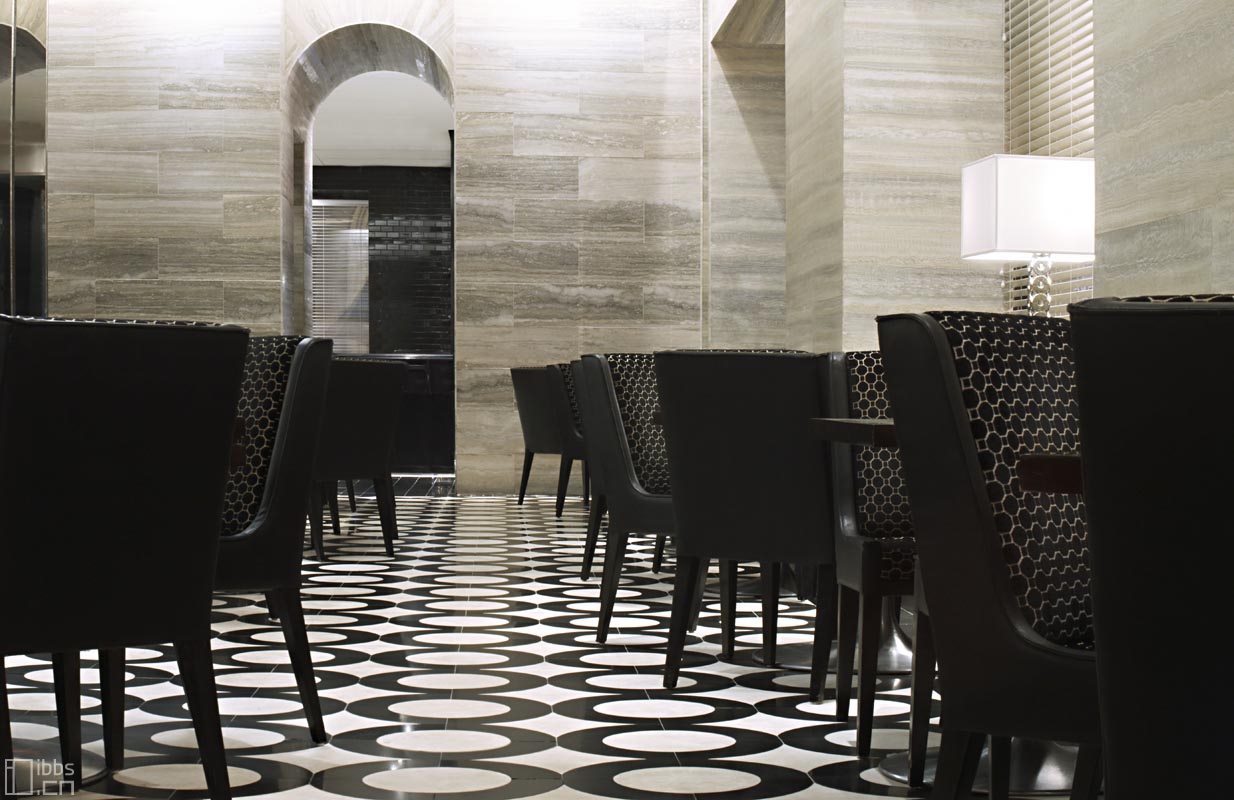
Restaurant Interior Design & Build in Kuala Lumpur
Kuala Lumpur (KL) is a dynamic, bustling metropolis, where modernity meets rich cultural heritage. As the city continues to evolve into a regional hub for tourism, business, and entertainment, Restaurant Interior Design & Build in Kuala Lumpur has become an essential tool for businesses seeking to stand out in the competitive F&B sector.Kuala lumpur Restaurant Interior Design & Build
For a restaurant to thrive in Kuala Lumpur’s ever-evolving market, the design must go beyond aesthetics—it must be strategically aligned with customer behavior, brand values, operational needs, and sustainability goals. Whether you’re designing a trendy café, a fine-dining restaurant, or a vibrant bar, each space must resonate with the expectations of a diverse, tech-savvy population, while also adhering to high operational standards. In this article, we explore the best practices and essential elements that can help restaurants create high-performing spaces.
Understanding the Dining Culture and F&B Market in Kuala Lumpur
KL is a culinary melting pot, where traditional Malay, Chinese, Indian, and global cuisines collide, creating a rich and diverse food culture. Dining in this city is not just about food; it’s about experience. From street food hawkers to fine-dining establishments, food is deeply tied to the city’s identity and lifestyle.
Key Market Insights
-
Food Trends: Kuala Lumpur’s dining scene is rapidly evolving, with an increasing demand for international cuisine, fusion concepts, and Instagrammable restaurants. Millennials and Gen Z dominate the dining landscape, craving aesthetic and experiential dining.
-
Tourism Impact: As the tourism industry continues to grow, F&B businesses are catering to both international visitors and the local population. Restaurants must balance these demands through design that can accommodate tourism foot traffic while delivering a local experience.
-
Competitive Density: The restaurant scene in KL is vibrant and competitive. To stand out, design plays a significant role in attracting patrons and keeping them engaged.
-
Delivery and Takeout Ecosystem: With food delivery services like GrabFood and Foodpanda flourishing, restaurants must design flexible, efficient spaces that allow for seamless integration with delivery channels without compromising the in-house experience.
Given this environment, restaurant design is a business strategy. It must cater not only to the aesthetic and brand needs but also enhance operational efficiency and provide a high level of guest satisfaction.
Strategic Restaurant Interior Design for Competitive Advantage
Creating Memorable Experiences
Designing a restaurant in Kuala Lumpur requires a careful balance of operational efficiency and customer engagement. Today’s diners expect more than just food; they expect an experience. Restaurant interior design must elevate every touchpoint in the customer journey:
-
Concept Positioning & Brand Storytelling: Every detail, from lighting to furniture, should tell a story that resonates with the restaurant’s brand. The concept should feel authentic, whether you’re opening a local Malaysian restaurant or an international fusion bistro. Design should communicate this story clearly and powerfully.
-
Seating Density Optimisation: KL restaurants often operate in space-constrained environments, particularly in popular districts like Bukit Bintang and KLCC. Maximising seating capacity while maintaining a comfortable, spacious environment is key. Thoughtful spatial zoning can help achieve this balance, providing areas for intimate dining as well as high-capacity seating for group meals or events.
-
Acoustic Comfort: In busy, high-traffic areas, noise can significantly impact the dining experience. Acoustic design is essential for creating a comfortable environment where diners can converse without being overwhelmed by background noise.
-
Lighting Psychology: The use of lighting in a restaurant is more than just a functional choice. It influences mood, ambiance, and customer perceptions of food. In Kuala Lumpur’s vibrant dining scene, Instagrammable lighting is also an important consideration for encouraging customer engagement on social media.
By focusing on these elements, restaurants can create spaces that draw in customers and enhance brand recognition while simultaneously boosting revenue per square meter.
Building Sustainable Dining Spaces for Long-Term Relevance
Sustainability has become a key driver in the hospitality and F&B sectors, especially in a city like Kuala Lumpur, where consumers and businesses alike are becoming increasingly eco-conscious. Sustainable Restaurant Design ensures that the restaurant not only meets operational needs but also aligns with modern environmental standards and enhances the brand’s appeal.
Key Sustainable Design Elements
-
Material Sourcing: Using locally sourced, sustainable materials reduces environmental impact and resonates with KL’s cultural and environmental values. Materials like reclaimed wood, bamboo, and recycled metal are increasingly popular for their eco-friendly properties.
-
Energy-Efficient Lighting Systems: LED lighting and natural lighting integration not only reduce energy consumption but also create a pleasant atmosphere.
-
Waste Management Integration: Sustainable design incorporates waste separation systems, energy-efficient kitchen equipment, and strategies for reducing food waste.
-
Water-Saving Fixtures: Low-flow faucets and water-efficient dishwashers contribute to resource conservation, reducing the restaurant’s environmental footprint.
-
HVAC Optimisation: In the humid tropical climate of Kuala Lumpur, efficient air conditioning systems are essential for guest comfort and operational cost control.
Implementing these strategies not only aligns with Environmental, Social, and Governance (ESG) goals but also strengthens a restaurant’s reputation in a highly competitive market.
Delivering Restaurant Construction the Right Way
Executing a restaurant build in Kuala Lumpur comes with its unique set of challenges. Given the city’s regulatory environment, high-density nature, and demand for operational efficiency, a strategic approach to construction is crucial.
Key Execution Considerations
-
Feasibility Studies: Understanding local zoning laws, licensing requirements, and building codes is crucial before starting any project. Ensuring compliance with local fire safety regulations and health department standards is non-negotiable.
-
Kitchen and MEP Coordination: A restaurant’s kitchen is its heart. Effective design and execution of kitchen layouts and mechanical, electrical, and plumbing (MEP) systems are essential for operational efficiency. Kitchen exhaust systems and grease trap installations must be seamlessly integrated.
-
Site Supervision & Quality Assurance: Ensuring that construction is completed on time and within budget requires a robust site management and quality control system. Coordination between contractors, designers, and suppliers is key to avoid delays and ensure high-quality execution.
-
Fire Safety and Health Compliance: Given the dense urban environment of Kuala Lumpur, meeting local fire safety and health regulations is paramount. This includes ventilation systems, fire exits, and hazardous materials management.
Designing for Durability in Kuala Lumpur’s Environment
KL’s tropical climate demands that restaurant design is resilient. High humidity, temperature fluctuations, and intense rainfall can wreak havoc on materials if not carefully considered. Key strategies include:
-
Humidity Resistance: Materials like moisture-resistant wood, tiles, and non-corrosive metals are crucial for maintaining the integrity of the design over time.
-
Thermal Comfort: Integrating natural ventilation and solar shading can reduce the reliance on air conditioning while maintaining comfort.
-
Facade Durability: Considering the harsh environmental factors, choosing sustainable and durable finishes ensures the longevity of the restaurant’s exterior.
Why Restaurant Projects in Kuala Lumpur Require Local Intelligence
Designing a successful restaurant in Kuala Lumpur requires local expertise—from navigating regulatory challenges to sourcing materials and understanding cultural nuances. Our firm’s deep knowledge of the local F&B ecosystem, restaurant trends, and construction protocols ensures that each project is executed with efficiency and compliance.
Our Restaurant Design & Build Process
-
Concept Development: We begin with workshops to understand your brand identity and customer profile.
-
Brand Alignment: Tailoring the design to match the restaurant’s concept and target demographic.
-
3D Visualisation and Planning: Offering digital mock-ups to visualise the space and optimise seating layout.
-
Material Selection: Sourcing sustainable and high-quality materials that match both aesthetic and functional needs.
-
Construction Management: Overseeing timelines, contractors, and ensuring high-quality standards.
-
Final Handover and Support: Ensuring that every aspect of the restaurant is ready for its grand opening, with post-handover maintenance support.
Build a Future-Ready Restaurant in Kuala Lumpur
As KL’s dining culture continues to evolve, so must your restaurant’s design. Our firm blends sustainability, operational intelligence, and innovative design thinking to deliver restaurants that thrive in today’s competitive, environmentally-conscious market.
Start your restaurant project with a strategic consultation that incorporates both local market intelligence and international best practices. Let’s build a space that not only serves great food but also creates lasting experiences for your customers.
Connect with us in


